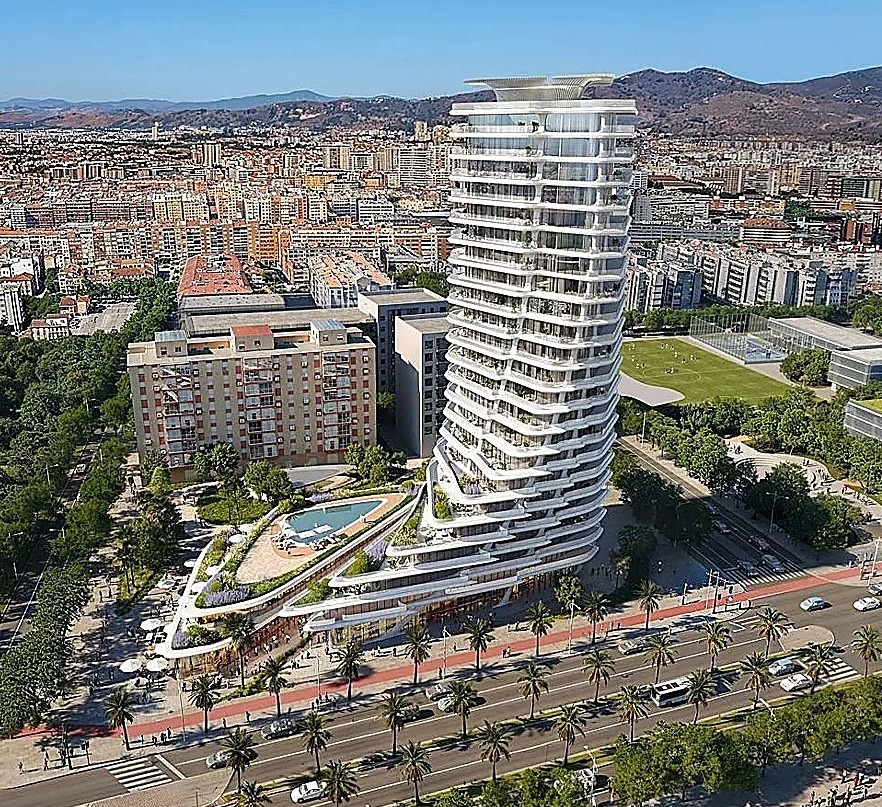
Between 2021 and 2025, around 55,500 new households formed in or moved to the province of Málaga, according to Spain’s national statistics institute. Over the same period, only about 29,100 new homes were built.
Read that as a market signal. For every two households arriving or forming, roughly one new home came onto the market. That is demand running well ahead of supply, and it is a structural feature of the region, not a blip.
Why people keep coming
Málaga’s appeal is broad and durable. It draws residents from elsewhere in Spain and from abroad, buying a first home, a second home, or a base for a new chapter. Climate, connectivity, healthcare, international schools and quality of life don’t fade with the economic cycle. They compound.
That is why demand here has been resilient. It isn’t driven by a single buyer profile or a single moment. Families, remote professionals, retirees and investors all have their own reasons to choose the province, and those reasons keep reinforcing each other.
Why supply can’t catch up overnight
The constraints are real. Land available for development is limited, electricity capacity for new projects is stretched, and publicly funded housing is running behind schedule. None of this can be fixed with a single announcement, and meaningful new supply takes years.
That gap is exactly what underpins the resilience of values across the province. When demand structurally exceeds supply, well-located property tends to hold its value over the long term.
The good news: capital is moving in
A shortage is also an opportunity, and the market is noticing. Investors at every scale are looking at how to add homes to the province.
Large investors bring what the market needs most: funding, development capacity and the ability to deliver at scale. Institutional capital, developers and build-to-rent operators can take on projects that individuals cannot, from planning through to delivery. Their interest signals confidence in the long-term fundamentals.
Small and mid-size investors matter just as much. Private buyers renovating existing homes, converting underused buildings, or building one or two properties on their own land add supply more quickly than people expect, and they do it in places large developers often overlook. Half of the rented homes in the province belong to individual owners, which shows how much of the market’s capacity sits in private hands.
When both ends of the market are willing to participate, the supply response speeds up. We won’t close the gap in a year, but the direction of travel is positive, and the more clarity there is on planning and licensing, the faster that capital can be put to work.
The map is widening: beyond the beachfront
One of the most interesting shifts we see is geographic. For decades, the conversation was about the coastline: sea views, first-line plots, the beachfront. That remains the premium segment, and it always will.
But more and more buyers are looking 10 to 20 kilometres inland. In our experience, the appeal is clear:
More space for the budget. Larger plots, bigger homes and more outdoor living than the same money buys on the seafront.
Golf and lifestyle communities. Courses, clubs and resort-style developments offer a complete way of life within a short drive of the sea.
Hillside and countryside settings. Views, quiet, cooler summer evenings and a connection to the landscape that the coast can’t offer.
Remote work has changed the equation. When your office is wherever your laptop is, a 15-minute drive to the beach is no longer a compromise.
Better road links. A better-connected province means inland towns and villages are closer to the coast, the airport and city amenities than their distance suggests.
This matters for two reasons. First, it broadens the base of demand: more areas attract more buyers, which supports values beyond the first line. Second, it eases the pressure on supply. Inland areas often have more developable land and fewer constraints than the saturated coastal strip, so this is where a good share of new homes can realistically be built. The coast and the interior don’t compete. They reinforce each other as one larger, more resilient market.
The responsible optimism
Growth carries a cost, and we should say so plainly. The same pressures that support property values are making life very hard for many local families: rising rents, long waits for social housing, and people priced out of the city they have lived in all their lives. Public concern is visible, and it will shape the response from the authorities.
A healthy market needs more homes, and our industry has a role to play, through responsible development, through investment that actually delivers new supply, and by supporting the creative, fast-moving solutions that local government is being pushed to find. Policy will change, and anyone buying with a long horizon should expect that and plan for it.
What this means for you
Owners: A market where demand structurally exceeds supply tends to protect long-term values, on the coast and increasingly inland.
Buyers: The fundamentals favour a long-term view. Look at the whole map, not just the beachfront, and buy with a horizon of years, not months.
Investors: The shortage is a reason to participate. Capital that builds, renovates or converts adds supply and earns a return in a market with deep demand.
Málaga’s long-term appeal is not in question. The challenge, and the opportunity, is building enough to match it.
Thinking about buying, selling or investing on the Costa del Sol or in the hinterland? Get in touch for an honest view of the market. https://www.pasku.co/contact

PASKU.CO Family Real Estate office is your trusted partner in real estate, offering expert guidance and personalized service to help you find your ideal property. Contact us for all your real estate needs.
Recent posts


Latest Property

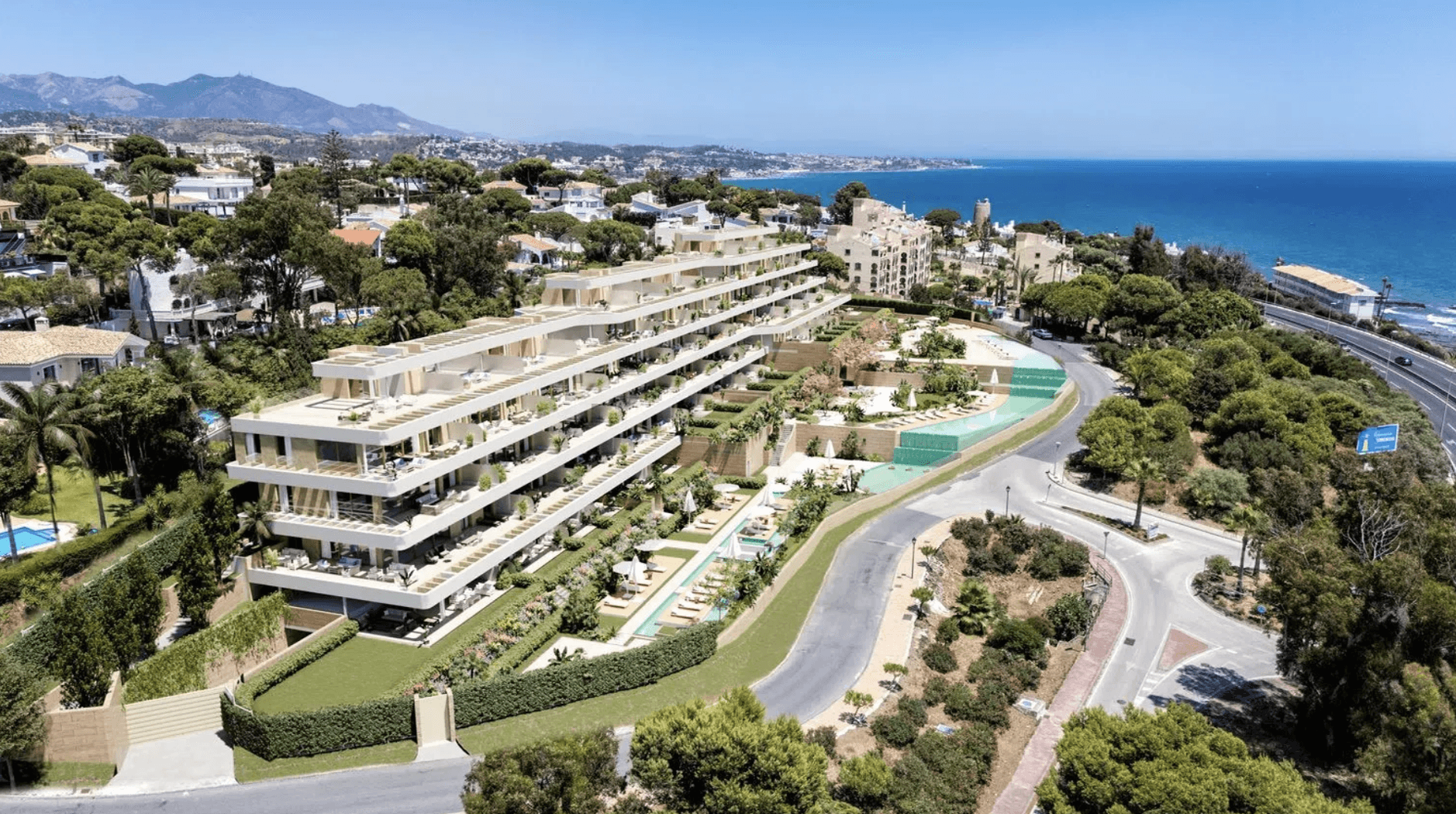
Contemporary 2 and 3-bedroom homes in Estepona, with generous terraces and exceptional amenities.
€443,000
120 m2
NaN
NaN